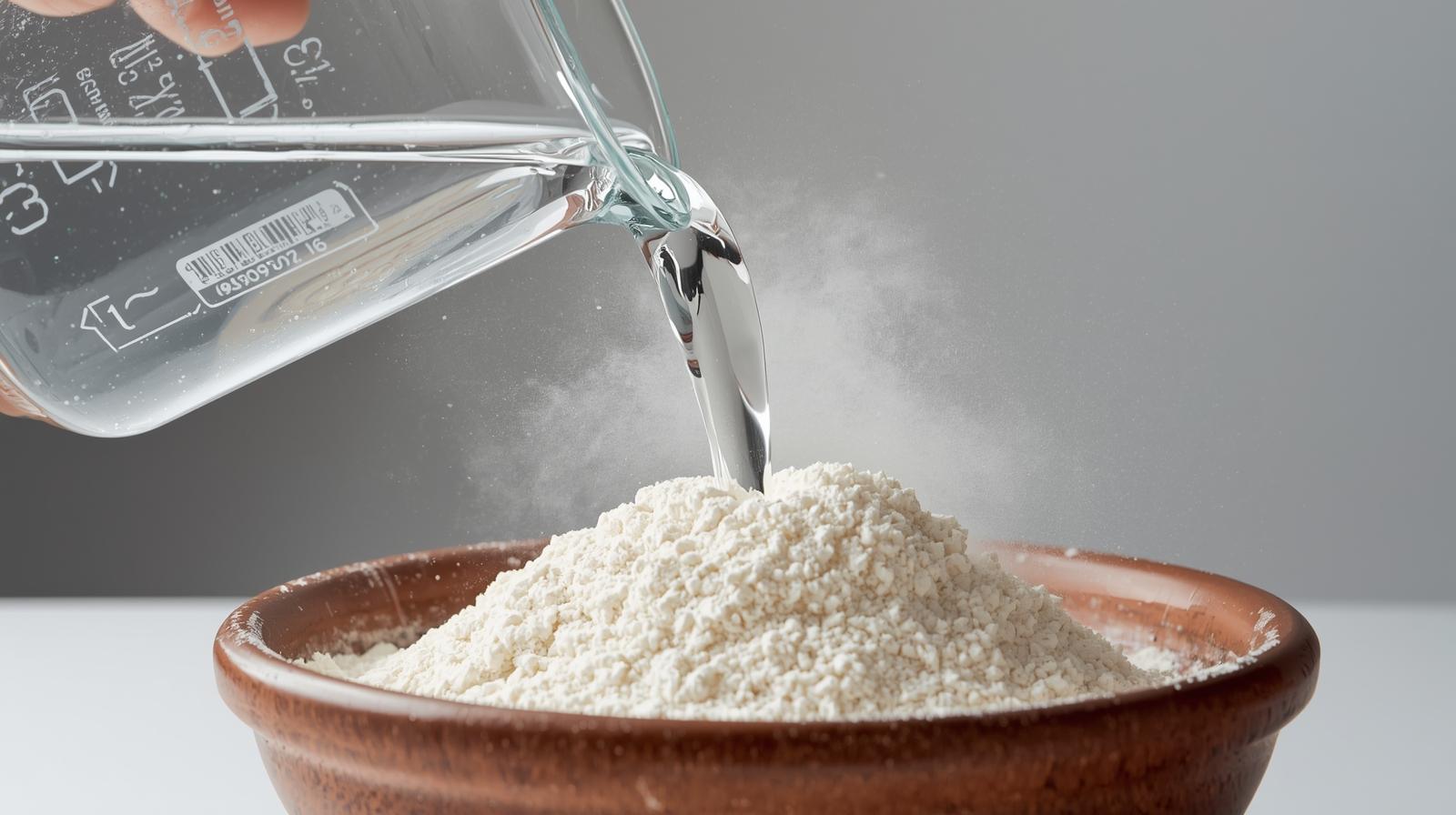
The Hidden Role of Water in Baking: Why It’s Essential for Perfect Baked Goods
Water is often overlooked as a crucial component in baking, yet it plays an indispensable role in nearly every step of the process. Whether it’s present as a visible ingredient or hidden within other common baking staples, water is a silent yet powerful player in achieving that perfect loaf, cake, or pastry. Let’s explore how water impacts your baking, from the structure of dough to the texture of cakes.
The Surprising Presence of Water in Baking Ingredients
You might be surprised to learn that many common baking ingredients already contain a high percentage of water. Here are a few surprising examples:
Whole Milk: 88% water
Eggs: 75% water
Sour Cream: 71% water
Butter: 18% water
Even fruits and vegetables like those used in carrot cake contribute significant amounts of water. So, while you might not always add a direct source of water, it’s likely already playing a role in your recipe!
Water’s Role in Chemical Reactions
Baking is a form of chemistry. Water’s ability to dissolve or hydrate key molecules makes it essential for chemical reactions that occur during baking. Without water, many of these reactions couldn’t take place, which is why understanding its role is crucial to successful baking.
Sugar: In baked goods, sugar needs to dissolve in water to function properly. Dissolved sugar helps tenderize cakes, stabilize whipped egg whites (like in meringues), and enhances sweetness by helping sugar molecules interact with our taste receptors.
Salt: Salt must dissolve to slow yeast fermentation in bread dough or preserve food effectively.
Baking Powder: When dissolved, baking powder releases carbon dioxide gas, which is crucial for leavening and making cakes rise.
Hydration of Proteins and Starches
Water doesn’t just dissolve molecules—it hydrates larger molecules like proteins and starches, helping them to function in baking. Here’s how:
Gluten Development: Water is essential for activating the proteins glutenin and gliadin in flour. These proteins combine to form gluten, which provides the structure and volume in baked goods, especially bread. Without water, gluten wouldn’t even form, and your dough wouldn’t rise properly.
Yeast Activation: Yeast cells, being living organisms, need water to activate and begin fermentation. Without water, yeast cells remain dormant, which is why it’s crucial for successful bread-making.
Water also allows starches and proteins to swell and be suspended in the batter, ensuring that the texture of your baked goods turns out just right.
The Temperature Factor: Water as a Temperature Control
Water is also key in regulating the temperature of your dough and batter. For example:
Pastry Dough: When making pastries, using cold water is essential to prevent the fat from melting. This results in a flakier texture, which is what we love in croissants and pie crusts.
Bread Dough: Water temperature also impacts the rate of fermentation in bread dough. Keeping the dough at an ideal temperature is essential for the perfect rise.
Water’s Impact on Consistency: Batter vs. Dough
One of the most noticeable effects of water in baking is the consistency of batters and dough. Here’s how water affects texture:
Batter: A batter is typically high in moisture and tends to be thinner and pourable (think muffins, cakes, and pancakes). The water in the batter helps the ingredients mix smoothly, resulting in a lighter texture after baking.
Dough: On the other hand, dough has a lower moisture content, which makes it thicker and easier to mold. This consistency is ideal for breads, biscuits, and pastries that need structure.
The balance between water, fat, and flour affects how the baked goods rise, hold their shape, and develop texture.
Fats and Water: The Perfect Balance
While water dissolves or hydrates many ingredients, fats behave differently. Fats do not dissolve in water but break into tiny droplets that coat the other ingredients. This coating effect helps tenderize the texture of baked goods by preventing ingredients like starch and protein from fully absorbing water.
Structure and Tenderness: In cakes and pastries, fats are crucial for achieving the right balance between structure and tenderness. Too much water can make your dough or batter too sticky, while the right amount results in a soft, tender, and moist outcome.
Conclusion: The Magic of Water in Baking
Water is a key ingredient in baking, even if it doesn’t always appear in the form you expect. Its ability to hydrate, dissolve, and activate various ingredients is essential for everything from the rise of your dough to the texture of your cakes. Baking is a delicate balance of moisture, structure, and tenderness, and water is the unsung hero behind every successful bake.
So next time you mix up a batch of dough or pour that cake batter, remember that water is working its magic behind the scenes, helping to create those delicious, perfectly risen baked goods we all love.
Key Takeaways:
Water is already present in many common baking ingredients (milk, eggs, butter, etc.).
It’s essential for dissolving sugar, activating yeast, and hydrating proteins and starches.
Water affects the consistency of batters (thin and pourable) versus doughs (thicker and moldable).
Fats coat other ingredients, preventing them from absorbing too much water, leading to tenderness in cakes and pastries.
Control the water temperature to achieve the desired texture, especially in pastry dough and bread.
With this understanding of water’s role, you’re ready to take your baking to the next level. Happy baking!
We use cookies to ensure that we give you the best experience on our website. If you continue to use this site we will assume that you are happy with it.