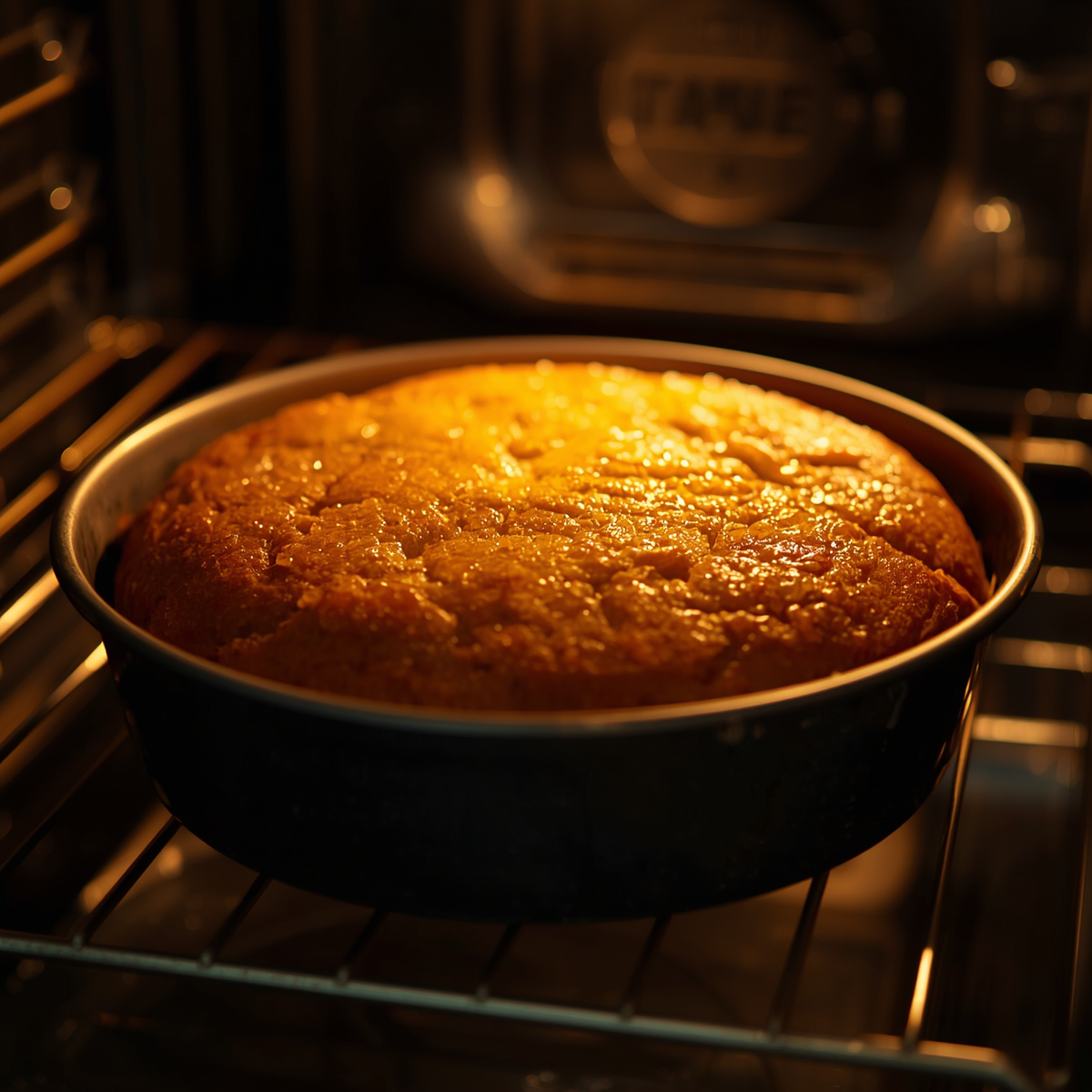
Why Cakes Turn Dense or Gummy — And How to Prevent It
Share this page:
Have you ever baked a cake that looked promising in the oven, only to cut into it and discover a dense texture or a gummy layer at the bottom? You’re definitely not alone. This is one of the most common cake problems home bakers face.
The good news is that there are several identifiable causes — and most of them are easy to fix once you know what to look for. Below are 12 common reasons cakes turn dense or gummy, along with practical tips to help you achieve a lighter, fluffier bake every time.
1. Too Much Liquid
One of the biggest causes of a dense cake is too much liquid in the batter, especially ingredients with a high water content.
Water is surprisingly heavy compared to many baking ingredients. If there’s too much of it, the cake structure can struggle to support itself, resulting in a heavy or gummy texture.
This is particularly common in vegan cakes, where recipes often contain a higher ratio of liquid ingredients. Tip:
Balance wetter ingredients with lighter components and follow recipe measurements carefully.
2. Underbaking
An underbaked cake may still look risen on top, but the center can remain wet and unstable. Once removed from the oven, the structure collapses, creating a dense middle or gummy base.
How to check if your cake is done:
-Insert a knife or skewer into the center.
-If it comes out clean, the cake is ready.
-If wet batter remains, it needs more time. Important:
Avoid opening the oven door too early. Sudden cold air can cause cakes to sink before they’ve properly set.
3. Overmixing the Batter
When flour is mixed too aggressively, gluten develops. Too much gluten creates a chewy, gummy texture rather than a soft, tender crumb. Best practice:
-Gently fold in the flour.
-Stop mixing as soon as everything is combined.
-This helps maintain a light and fluffy texture.
4. Incorrect Oven Temperature
If the oven temperature is too low, the cake may:
-Rise too slowly
-Collapse after rising
-Fail to rise properly at all
Many bakers find that their ovens behave differently from the temperature shown on the dial. Experience and familiarity with your oven make a big difference over time. Helpful tip:
Consider using an oven thermometer to check accuracy.
Some bakers even find better results by baking slightly below the recipe’s suggested temperature.
5. Too Much Sugar
Sugar affects how a cake sets by delaying structure formation. It pulls water away from ingredients like flour, slowing gluten development.
This can cause cakes to:
-Rise poorly
-Sink while cooling
-Develop a dense texture What to do:
Use well-tested recipes with balanced ingredient ratios. If a recipe repeatedly fails, it may simply not be reliable.
6. Using Old Ingredients
Leavening agents lose effectiveness over time.
Ingredients to check regularly include:
-Baking powder
-Bicarbonate of soda
Expired raising agents can prevent cakes from rising properly, leading to dense results.
Flour quality can also vary between brands, especially self-raising flour. Tip:
Find a flour brand that consistently gives you good results and stick with it.
7. Using the Wrong Type of Flour
Flours with a high protein content develop more gluten, which can make cakes heavier and denser. Better options:
-Cake flour
-Self-raising flour (commonly used in the UK)
-Choosing the right flour helps create a softer texture.
8. Not Using Enough Eggs
Eggs provide:
-Structure
-Stability
-Leavening support
Without enough eggs, cakes may struggle to hold their shape during baking.
This is another reason vegan cakes can sometimes be denser than traditional cakes. Key takeaway:
Accurate ratios matter. A reliable recipe makes a huge difference.
9. Heavy Ingredients
Ingredients with high moisture content can weigh down a cake batter.
Examples include:
-Sour cream
-Fruit
-Yogurt
If not properly balanced, these additions may create a dense or gummy texture. Tip:
Combine heavier ingredients with lighter elements to maintain structure.
10. Over-Creaming Butter and Sugar
Creaming butter and sugar incorporates air into the batter. However, too much air can sometimes become unstable during baking.
When this extra air collapses, the cake may sink and become dense.
That said, this issue often depends on the recipe. Many bakers cream butter and sugar thoroughly without any problems.
11. Ingredients Are Too Cold
Baking relies on chemical reactions, and temperature matters.
Cold ingredients:
-Don’t combine as easily
-Can lead to uneven mixing
-Increase the risk of overmixing For best results:
Use room temperature ingredients whenever possible.
This helps create a smoother batter and a more even bake.
12. Using the Wrong Cake Tin Size
Cake tin size is often overlooked, but it can significantly affect the final result.
If the tin is:
-Too small
-Too shallow
…the cake may rise too quickly and then collapse, creating a dense texture. Always ensure:
Your cake tin is suitable for the amount of batter you’re using.
Final thoughts:
Dense or gummy cakes can happen for many reasons, but most problems come down to balance, technique, and baking conditions. Small adjustments — such as measuring carefully, avoiding overmixing, using room temperature ingredients, and checking your oven temperature — can dramatically improve your results.
Baking is also something that improves with practice and experience. Over time, you’ll learn how your oven behaves, which ingredients work best for you, and how to spot potential issues before they happen. With a little patience and experimentation, light and fluffy cakes are absolutely achievable.
Do you have a question? Leave it in the comments below.
We use cookies to ensure that we give you the best experience on our website. If you continue to use this site we will assume that you are happy with it.